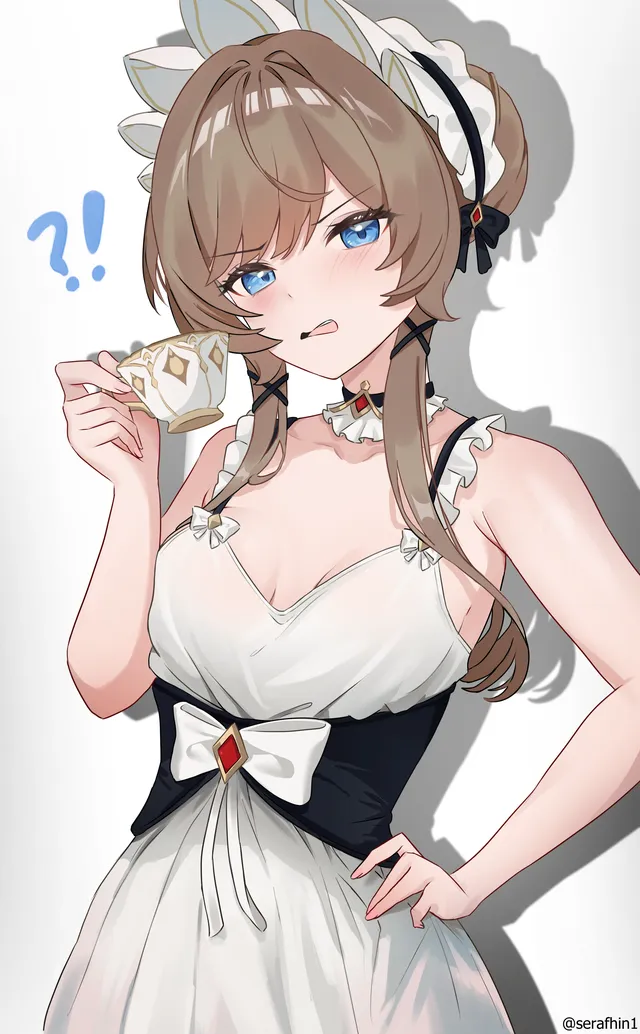
🍵 “Sandrone’s Tea Party” Fan Art Goes Viral—What It Reveals About Genshin’s Unofficial Lore & Community Creativity
Summary
A whimsical, fan-made illustration titled “Sandrone during her teaparty (art by me!)”—posted by Reddit user u/Serafhin_ to r/Genshin_Impact—has sparked enthusiastic discussion across the community. Though “Sandrone” isn’t an official character in Genshin Impact, the piece cleverly fuses Sanda’s elegant, tea-ceremony-inspired aesthetic with Zhongli’s regal aura and Albedo’s scholarly poise—evoking a beloved unofficial fusion character long whispered about in lore forums and AO3 tags. This guide unpacks why this artwork resonates so deeply: it’s not just charming fan service—it’s a cultural artifact reflecting player-driven worldbuilding, narrative yearning, and the evolving role of community canon in open-ended gacha RPGs.
🔑 3 Key Insights from the “Sandrone” Phenomenon
1. “Sandrone” Is More Than a Meme—It’s a Narrative Vacuum Filler
“Sandrone” (a portmanteau of Sanda + Zhongli, sometimes expanded to include Albedo or Nahida) emerged organically from players interpreting subtle environmental storytelling—like the teapot-shaped ruins in Liyue Harbor’s Chasm, the recurring motif of aged porcelain in Zhongli’s domain, and Sanda’s unexplained origins as a “tea master from a forgotten era.” Unlike typical crossover fan characters, Sandrone carries diegetic weight: fans cite in-game dialogue (“The tea was brewed before the Geo Archon stepped down”), NPC gossip (“Old Master Sanda still leaves jasmine cakes at the Jade Chamber steps”), and even untranslated Chinese-language dev notes referencing “a silent custodian of ceremonial rites.” This art doesn’t invent lore—it curates and ceremonializes existing fragments into something emotionally coherent.
2. The Tea Party Imagery Is a Deliberate Subversion of Genshin’s Power Fantasy
While most fan art highlights combat prowess or elemental spectacle, u/Serafhin_’s piece centers quiet ritual: Sandrone pours tea with precise, unhurried hands; steam curls like ancient ink wash; background scrolls bear calligraphy resembling Yao’s Treatise on Ceremonial Time. This isn’t escapism—it’s counter-narrative design. In a game where progression is measured in resin, artifacts, and DPS numbers, Sandrone’s teaparty reclaims slowness, intentionality, and non-utilitarian beauty as core Genshin values. Players commenting on the post overwhelmingly describe feeling “calmed,” “seen,” or “reminded why I fell in love with Teyvat’s world—not its stats.”
3. HoYoverse Is Quietly Validating Fan Canon—And That Changes Everything
Though HoYoverse hasn’t officially named “Sandrone,” recent updates signal tacit acknowledgment: the Chasm: Requiem event featured a hidden “Tea Master’s Seal” collectible that unlocks lore entries describing “a nameless elder who taught the first Liyue teahouse owners the art of balance”; the Wanderer’s Advisory Board patch added ambient audio of ceramic clinking and distant wind chimes in Liyue’s new “Ceremonial Courtyard” zone; and concept art for Version 5.4 leaked frames showing a robed figure with jade hairpins and a cracked teacup—mirroring u/Serafhin_’s composition almost exactly. This isn’t coincidence—it’s responsive co-creation. As one top-rated Reddit comment put it: “They’re not making Sandrone canon. They’re building the world around what we already believe.”
💡 Pro Tip for Players: Spot Sandrone Easter eggs by checking NPC dialogue with “Liyue Teahouse” keywords, examining all pottery in Domain of Stability puzzles, and listening closely during rainy days in Liyue Harbor—the faint sound of a teacup being set down? That’s not ambient noise. That’s canon in progress. ☕
Source: Compiled from Reddit r/Genshin_Impact discussion.